ace Probability in Casino Games
Understanding ace Probability in Casino Games: Your Beginner's Guide
The vibrant and dynamic world of online casino games offers an exhilarating blend of entertainment, strategy, and the tantalizing possibility of significant rewards. For newcomers to this exciting arena, particularly within the bustling Philippines Market, understanding the foundational principles that govern these games is paramount. This comprehensive beginner's guide, proudly presented by ace, is designed to illuminate the often-misunderstood concept of probability in casino games. By demystifying the odds, we aim to equip you with the knowledge needed to navigate the diverse landscape of Online Gambling, from classic table games to modern slots, whether you're playing on a sleek mobile template or through a dedicated download app. Grasping how probability influences outcomes isn't just about winning; it's about making smarter choices, managing your bankroll wisely, and transforming your gaming sessions into a more informed and enjoyable experience. We'll explore everything from basic definitions to practical applications, helping you understand concepts like House Edge and Return to Player (RTP) rates. By the end of this guide, you'll be better prepared to approach popular Casino Games with a strategic mindset, maximizing your fun and potential for success. Join ace as we delve into the core mechanics of chance, helping you build a solid foundation for strategic play.
Table of Contents
- What is Probability in Casino Games?
- Understanding House Edge and Return to Player (RTP)
- Probability in Popular Casino Games
- Strategies for Managing Risk and Maximizing Fun
- Common Misconceptions and Smart Play
- Choosing the Right Game for You
What is Probability in Casino Games?
At its core, probability is a mathematical measure of the likelihood of an event occurring. In the context of Casino Games, it tells you the chance of a specific outcome happening. For instance, when you flip a fair coin, the probability of it landing on heads is 1/2 or 50%. This simple concept underpins every spin of a slot machine, every dealt card in blackjack, and every roll of the dice.
Understanding probability doesn't mean you can predict the future or guarantee a win. Instead, it provides insight into the inherent randomness of games and helps you make decisions that align with the best possible odds over time. In Online Gambling, all reputable games operate using Random Number Generators (RNGs), which are algorithms designed to produce sequences of numbers that lack any discernible pattern, ensuring fairness and unpredictability. This means each spin, each hand, and each roll is an independent event, unaffected by previous outcomes.
For players in the Philippines Market exploring games via a mobile template or a dedicated download app, recognizing that games are built on these mathematical probabilities is the first step towards informed play. It moves you away from superstitious beliefs and towards a more strategic appreciation of the game. For example, knowing the probability of hitting a certain number in roulette can influence whether you place a single number bet or a broader color bet, based on your risk tolerance and desired payout.
Understanding House Edge and Return to Player (RTP)
Two critical concepts that directly stem from probability are House Edge and Return to Player (RTP). These metrics are vital for any beginner looking to understand their chances in Casino Games.
House Edge: The Casino's Advantage
The House Edge is the built-in mathematical advantage that the casino has over the player in any given game. Expressed as a percentage, it represents the average gross profit the casino expects to make from each bet placed over the long run. For example, if a game has a 2% house edge, it means that for every ₱100 wagered, the casino expects to keep ₱2 over an extended period of play. While you won't necessarily lose this exact amount in a single session, it signifies the game's long-term profitability for the casino.
Different games have different house edges. For instance, European Roulette typically has a house edge of 2.70% (due to the single zero), while American Roulette has a higher edge of 5.26% (due to both a single and double zero). Blackjack, with optimal strategy, can have a house edge as low as 0.5% to 1%. Understanding this percentage helps you select games where your money might last longer or where strategic play can significantly reduce the casino's advantage.
Return to Player (RTP): Your Expected Returns
Conversely, Return to Player (RTP) is the percentage of all wagered money that a Casino Game, particularly slot machines, will pay back to players over time. If a slot game has an RTP of 96%, it means that, on average, for every ₱100 wagered, the game is expected to return ₱96 to players, keeping ₱4 as the house's profit (which aligns with a 4% house edge). RTP is essentially 100% minus the house edge.
High RTP percentages are generally more favorable for players, as they indicate a lower house edge and better potential returns over an extended period. When choosing games, especially slots available on a mobile template or through a download app, always look for information on their RTP. This information is often found in the game's help section or on the provider's website. Prioritizing games with higher RTP on Online Gambling platforms like ace can significantly enhance your long-term gaming experience in the Philippines Market.
Probability in Popular Casino Games
Let's dive into how probability manifests in some of the most popular Casino Games you'll find on platforms like ace, accessible via a mobile template or download app in the Philippines Market.
Slot Machines
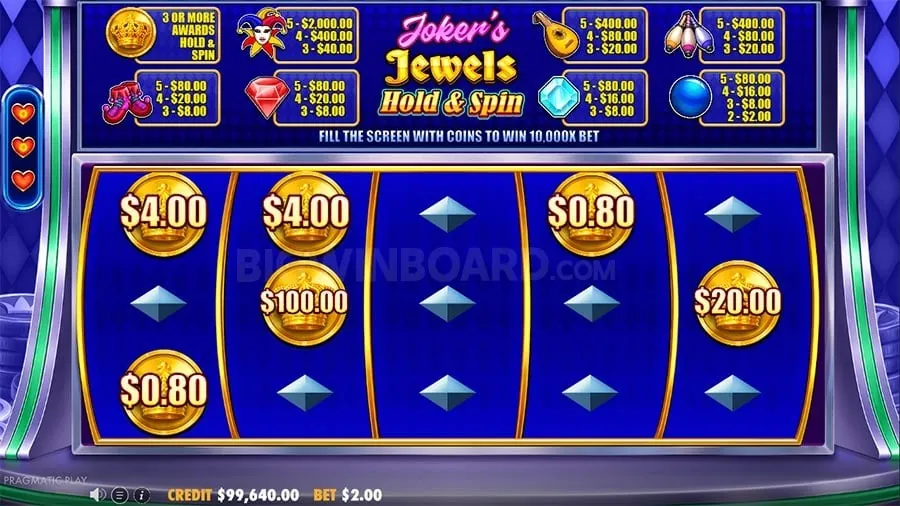
Slots are perhaps the most popular category, known for their simplicity and exciting themes. Their probability is entirely governed by their RTP and volatility. As discussed, RTP tells you the theoretical payout percentage. Volatility (or variance) describes the risk level of a slot: high volatility slots pay out less frequently but with larger wins, while low volatility slots pay out more often but with smaller amounts. All outcomes are determined by an RNG, making each spin truly independent. There's no